Get Started with Charcoal
Whether you're just starting out or looking to reignite your passion for creativity, exploring charcoal can be an incredibly fulfilling experience! This versatile medium not only allows for expressive and dramatic artwork but also offers a fantastic way to develop your artistic skills.
Discover the Magic of Charcoal
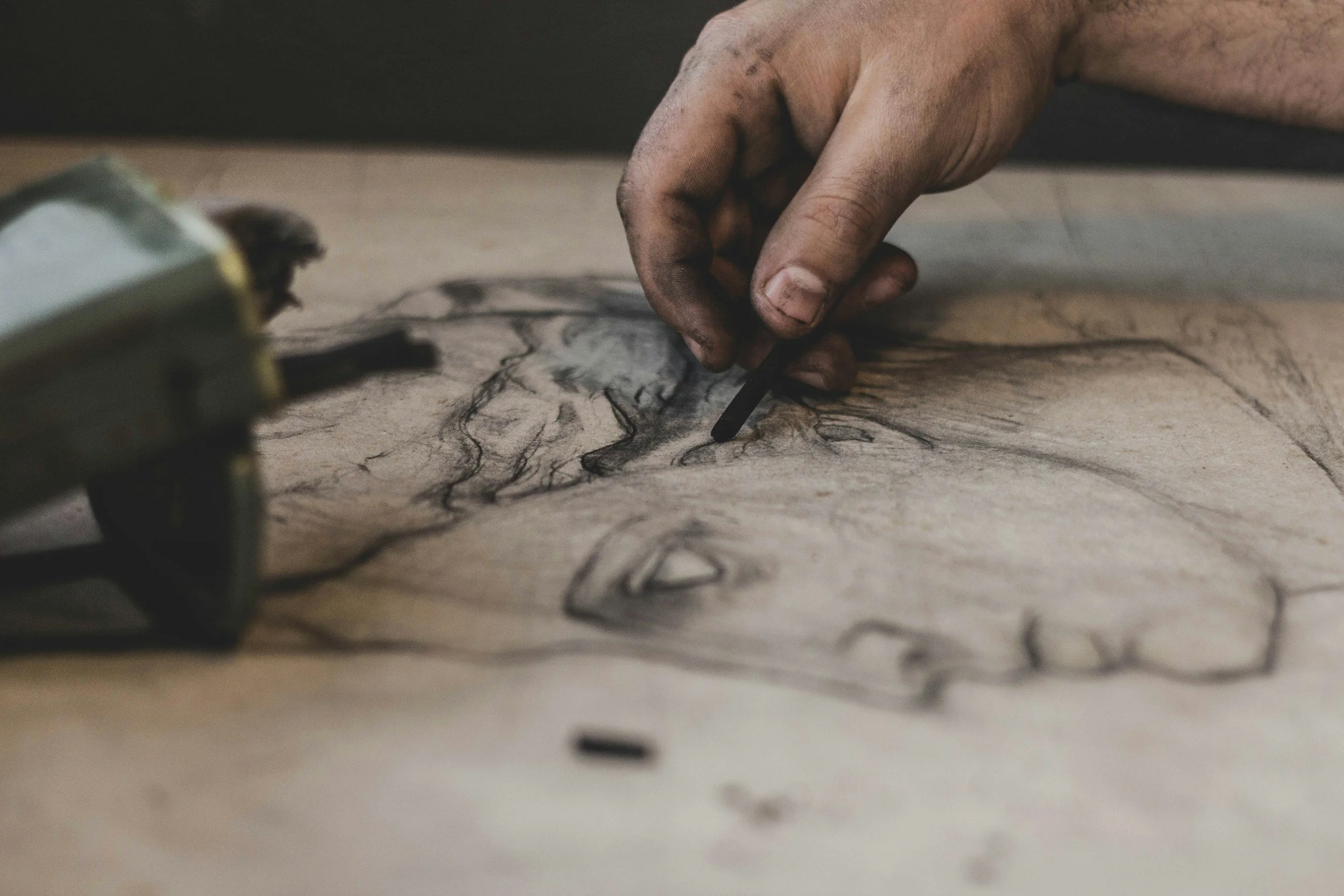
At Art for Life we use charcoal in most of our courses. This summer we are using it as part of a Life Drawing class. It’s messy, but magic!
Why Choose Charcoal
Charcoal is an ideal medium for beginners due to its forgiving nature and expressive qualities. It allows for easy blending and erasing, making it perfect for experimenting and learning.
The rich, dark tones of charcoal create dramatic contrasts, helping new artists quickly achieve striking results. This immediate visual impact can boost confidence and encourage further exploration.
Moreover, charcoal is relatively inexpensive compared to other art supplies, making it accessible for those just starting their artistic journey. Its versatility allows beginners to practice various techniques without a significant financial investment.
Essential Charcoal Tools and Materials
To begin your charcoal art journey, you'll need a few basic supplies. Here's a list of suggested tools and materials:
Charcoal sticks (willow and/or compressed)
Charcoal pencils
Putty eraser
Blending stumps or tortillons
Drawing paper or sketchbook
Each tool serves a specific purpose in creating charcoal artwork. Experiment with different types of charcoal to find what works best for your style and preferences.
Remember to protect your workspace with a piece of kitchen towel or newspaper, as charcoal can be messy. Additionally, consider using a drawing board to keep your paper secure and provide a stable surface for creating your art.
Tips for Getting Started
When beginning your charcoal art journey, keep these helpful tips in mind:
Start with basic shapes and forms to build confidence.
Experiment with different pressures to create varying tones and textures.
Use your kneaded eraser as a drawing tool to create highlights and textures.
Practice blending techniques using your fingers, blending stumps, or even tissue paper.
Don't be afraid to make mistakes – charcoal is forgiving and easily erasable.
Remember that learning any new skill takes time and patience. Embrace the process and enjoy exploring the unique qualities of charcoal as you develop your artistic abilities.