Here at Art for Life, we just love watercolour!
Step into the colourful world of watercolour painting, where your creativity can shine with each brushstroke! If you're just starting out and eager to dive into this art form, grasping the basics of watercolour can unlock countless creative avenues. Dreaming of painting delicate florals or vibrant landscapes? This guide will take you through some essential techniques and tips to paint confidently and joyfully.
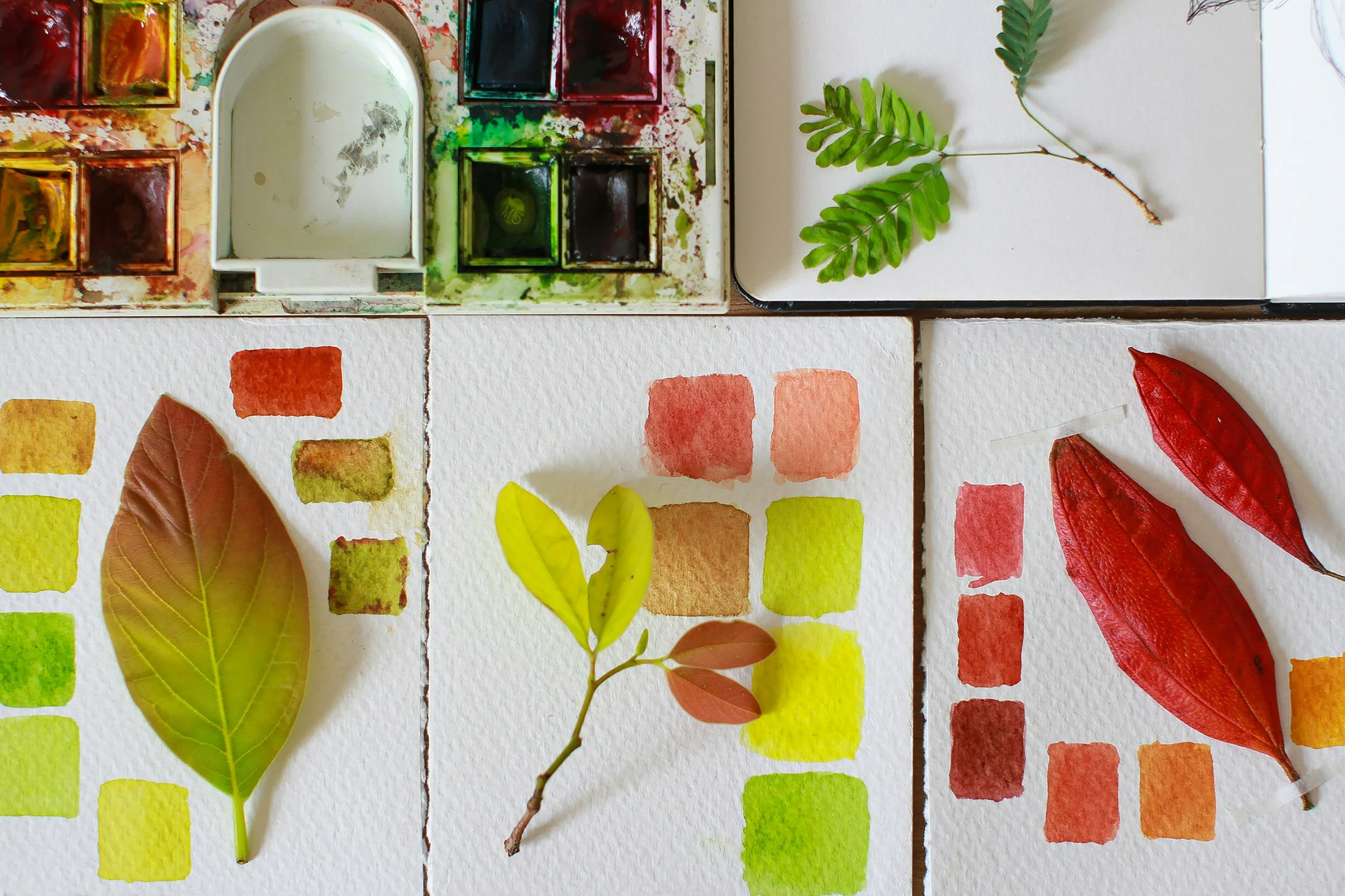
Essential Watercolour Techniques
Start with basic washes, the cornerstone of watercolour painting. Practise creating smooth, even washes across your paper, experimenting with different hues and strengths. This technique lays the groundwork for many watercolour artworks.
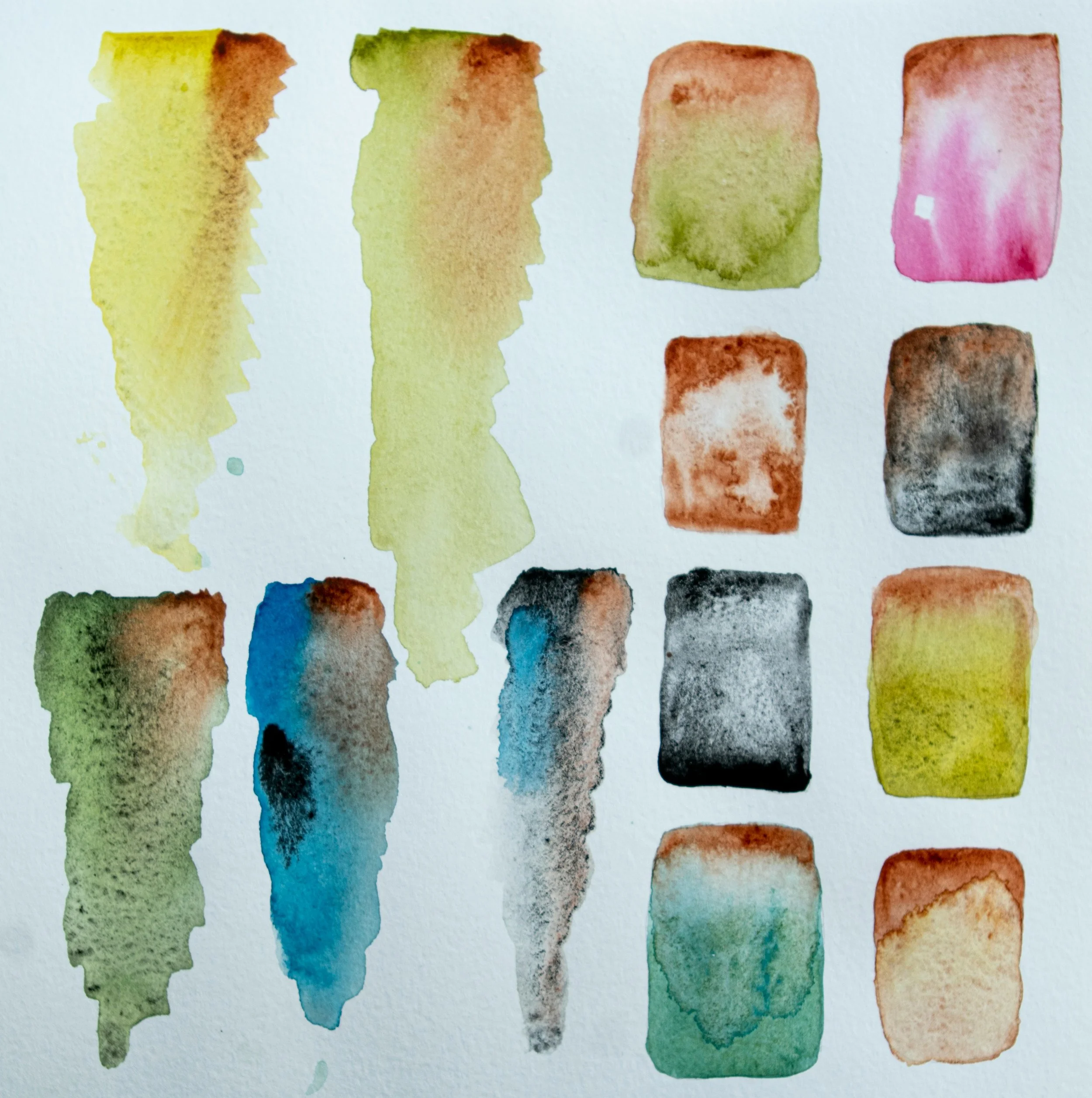
Then, venture into wet-on-wet and wet-on-dry techniques. Wet-on-wet involves applying wet paint onto a damp surface for soft, blended effects, while wet-on-dry gives you more control and defined lines.
Be sure to have fun with textures! Try sprinkling salt, using cling film, wax or sponging to create unique effects in your paintings. These techniques bring depth and interest to your artwork
Beginner Watercolour Tips for Success
Success in watercolour painting comes with practice and patience. Here are some supportive tips to help you along your artistic journey. First, invest in quality materials. While the priciest items aren't necessary, good paper, paints, and brushes can significantly enhance your results.
Plan your painting before you begin. Sketch lightly with a pencil to map out your composition. Remember, watercolour thrives on layers, so start with light washes and gradually add darker tones.
Embrace happy accidents! Watercolour can be wonderfully unpredictable, often leading to beautiful surprises. Learn to work with the medium rather than against it.
At Art for Life we adore watercolour painting!
Learning to paint with watercolours is a rewarding journey of creativity and discovery. We encourage our students to become familiar with their materials, experiment with different brush techniques, explore water-to-paint ratios, and discover the beautiful effects of colour blending.
Our experienced tutors are accomplished watercolour artists who love sharing their knowledge, skills, and enthusiasm for this versatile medium. Whether you're picking up a brush for the first time or looking to refine your technique, our friendly courses will help you build confidence and develop your own unique style.
Join us and discover the joy of watercolour painting.
MORE INFORMATION CAN BE FOUND HERE